The average 30-year fixed mortgage rate fell to 6.58% this week, sparking renewed buyer interest and multiple offers in previously stagnant markets across the country.
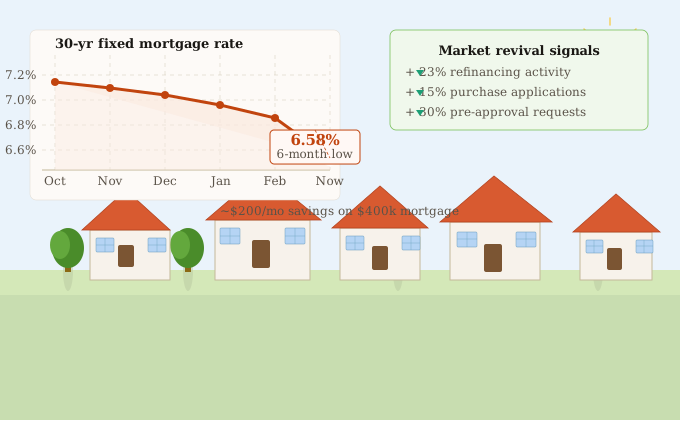
The nation's housing market received a significant boost this week as mortgage rates declined to their lowest levels since last summer, reigniting buyer enthusiasm across major metropolitan areas. The average 30-year fixed-rate mortgage dropped to 6.58%, down from 6.82% just two weeks ago, according to data from the Mortgage Bankers Association. This unexpected decline has prompted a surge in mortgage applications, with refinancing activity up 23% and purchase applications climbing 15% week-over-week. Real estate agents report that properties in competitive markets are once again seeing multiple offers, a phenomenon largely absent throughout the winter months.
The rate decrease comes as the Federal Reserve signals a more cautious approach to monetary policy, responding to cooling inflation data and concerns about economic growth. Housing economists suggest that even a modest reduction in rates can significantly impact affordability, with the drop from 7% to 6.5% translating to approximately $200 in monthly savings on a $400,000 mortgage. First-time homebuyers, who have been particularly squeezed by the combination of high rates and elevated home prices, are returning to the market with renewed optimism. Lenders report that pre-approval requests have increased by nearly 30% in the past ten days alone.
Regional markets are responding differently to the rate shift, with Sun Belt cities experiencing the most dramatic uptick in buyer activity. Markets in Florida, Texas, and Arizona are seeing inventory levels drop as properties move more quickly than they have in nearly a year. Conversely, expensive coastal markets like San Francisco and Seattle are experiencing more measured improvements, as affordability challenges remain acute despite the rate relief. Real estate professionals in these areas note that while showing activity has increased, buyers remain cautious and selective. Industry analysts emphasize that sustained rate stability will be crucial for maintaining momentum through the critical spring selling season.
Looking ahead, housing market observers remain cautiously optimistic but warn that broader economic uncertainties could still impact the recovery trajectory. The National Association of Realtors projects that if rates stabilize in the mid-6% range, existing home sales could increase by 8–12% in the second quarter compared to the same period last year. However, persistent inventory shortages and affordability constraints continue to pose challenges, particularly for entry-level buyers. Builders are responding to renewed demand by accelerating construction timelines and offering incentives, though new home prices remain elevated due to labor and material costs that haven't substantially declined from recent peaks.